
Cooling Systems Built for Humid Summer Conditions
AC Installation in West Chester for homes that need consistent cooling through Pennsylvania's humid summer months
Pennsylvania summers combine heat with persistent humidity that makes cooling systems work harder and exposes undersized or poorly matched equipment. Home HVAC Services handles AC installation in West Chester by evaluating the home's layout, existing ductwork capacity, and actual cooling load before recommending equipment that fits the space. Homeowners replacing aging air conditioners or adding cooling for the first time benefit from equipment selection that accounts for square footage, window exposure, insulation quality, and the number of occupants generating heat and moisture inside the home.
Proper system selection addresses cooling demand without oversizing equipment that cycles on and off too frequently or undersizing units that run continuously without reaching target temperatures. Installation connects the new air conditioner to existing ductwork, electrical supply, refrigerant lines, and condensate drainage while verifying airflow matches manufacturer specifications. The process includes removing old equipment, testing the new system under load, and confirming that temperature drops consistently when the thermostat calls for cooling.
Request an AC installation consultation to review your home's cooling requirements and replacement timeline.
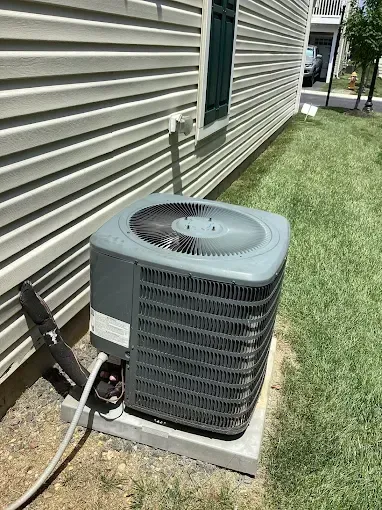
What Proper Equipment Selection Requires
Matching an air conditioner to your home starts with calculating heat gain from windows, walls, ceilings, and internal sources like appliances and lighting. Installers measure ductwork dimensions and airflow to confirm the system can move enough air through existing supply and return registers. Equipment that fits the calculated load cools the home without excessive runtime or short cycling that wastes energy and leaves humidity high.
After installation, you notice rooms reaching set temperatures within a predictable timeframe and holding those temperatures without constant compressor operation. Indoor humidity drops to more comfortable levels as the system runs long enough to condense moisture from the air. Temperature differences between upstairs and downstairs rooms become less pronounced when airflow balances properly across the duct system.
Installation work includes refrigerant line insulation to prevent condensation, secure mounting for outdoor units on stable pads or brackets, and electrical connections sized for the equipment's power requirements. Startup procedures involve checking refrigerant charge, verifying airflow across the indoor coil, and testing safety controls that shut the system down if pressures or temperatures move outside normal ranges.
Questions Before Starting Your Project
Homeowners preparing for new cooling equipment often ask about system sizing, installation steps, and what changes to expect once the work is finished.
What determines the right size air conditioner for my home?
System size depends on square footage, insulation levels, window area and orientation, ceiling height, and the number of heat-generating occupants and appliances, with calculations adjusting for West Chester's summer temperature and humidity patterns.
How long does AC installation take once equipment arrives?
Most residential installations require one full day to remove old equipment, connect the new system, test operation, and verify that cooling performance meets load requirements.
What should I expect after the new system starts running?
Rooms cool more evenly, indoor humidity drops noticeably, and the compressor cycles in longer, steadier intervals rather than starting and stopping every few minutes.
Why does ductwork condition matter during installation?
Leaking or undersized ducts reduce airflow to rooms and force the air conditioner to work harder, preventing the system from reaching its rated capacity regardless of equipment quality.
When is the best time to replace an air conditioner?
Scheduling installation during spring or early summer avoids waiting for equipment during peak-season demand and ensures the system is operational before sustained heat arrives.
Home HVAC Services provides equipment recommendations and installation timelines based on your home's specific cooling load and existing infrastructure. Schedule a replacement consultation to review your options and plan installation before summer temperatures peak.