
Zone Control Without Traditional Ductwork
Ductless Mini Split in West Chester for additions, converted spaces, and rooms with persistent comfort differences
Rooms added after original construction, finished attics, detached garages converted to workshops, and spaces with comfort issues that central systems can't resolve often lack ductwork or receive inadequate airflow from existing HVAC equipment. Home HVAC Services installs ductless mini splits that deliver heating and cooling directly to individual zones without requiring duct extensions or major construction. These systems mount one or more indoor air handlers on walls or ceilings and connect them to a single outdoor compressor through refrigerant lines that run through small penetrations in exterior walls.
Each indoor unit operates independently with its own thermostat, allowing homeowners to heat or cool specific spaces without conditioning the entire house. Installation involves mounting the outdoor unit on a stable surface, securing indoor handlers to interior walls, running refrigerant lines and electrical connections between components, and testing system operation across all zones. This approach works well for West Chester homes with varied layouts, multi-story additions, or rooms that stay too warm or too cold when the central system runs.
Discuss whether ductless equipment fits your space and comfort goals during an on-site evaluation.
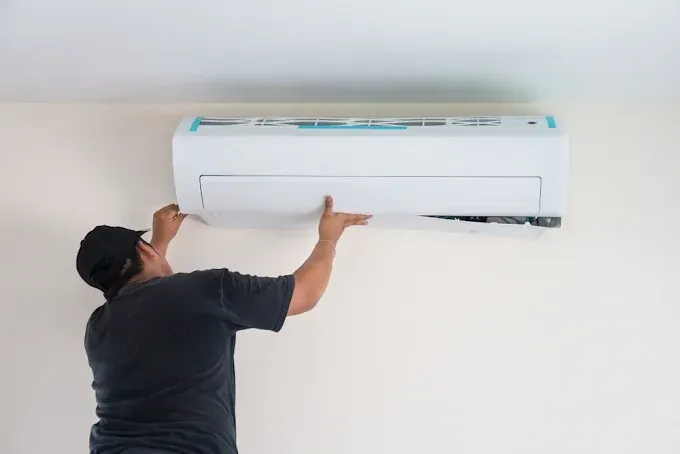
How Ductless Systems Address Comfort Gaps
Ductless mini splits move conditioned air directly into the space without the heat loss and leakage that occur in long duct runs. Installers drill a three-inch hole through the exterior wall to route refrigerant lines, electrical wiring, and condensate drainage from the outdoor unit to each indoor air handler. Mounting locations are selected based on airflow patterns, furniture placement, and electrical access, with indoor units positioned to distribute air across the room without blowing directly on occupants.
Once the system is running, you control temperature in each zone independently without adjusting the thermostat for the entire house. Converted attics stay cooler in summer without overcooling main-floor rooms, and home offices maintain comfortable temperatures during work hours while other spaces remain unheated or uncooled. Rooms that previously felt stuffy or drafty reach target temperatures within minutes of turning on the indoor unit.
Installation does not require cutting drywall or running ductwork through finished ceilings, though it does involve exterior wall penetration and outdoor unit placement with clearance for airflow and service access. Systems support multiple indoor units connected to one outdoor compressor, allowing phased installation as homeowners add or convert spaces over time.
Common Questions About This Service
Homeowners considering ductless equipment often want to know how it compares to traditional systems and which applications make sense for their property.
What types of spaces benefit most from ductless mini splits?
Additions without existing ductwork, finished basements or attics, detached garages or workshops, and individual rooms that stay uncomfortably warm or cold when the central system runs are all strong candidates.
How does installation differ from adding ductwork?
Ductless installation requires only a small hole through the exterior wall for refrigerant lines and wiring, while duct extensions involve cutting into ceilings, running sheet metal through framing, and sealing connections to prevent air leakage.
Why would I choose ductless over extending my central system?
Extending ductwork to remote spaces often reduces airflow to existing rooms and forces the central system to work harder, while ductless equipment delivers dedicated heating and cooling capacity directly to the new zone.
What happens if one indoor unit stops working?
Each indoor handler operates independently, so a problem with one zone does not affect comfort in other areas served by the same outdoor compressor.
When does it make sense to add more indoor units later?
Homeowners in West Chester frequently start with one or two zones and add indoor units as they convert additional spaces or identify rooms where central system performance remains inadequate.
Home HVAC Services evaluates room layout, electrical access, and outdoor unit placement to determine whether ductless equipment suits your comfort needs. Request a site assessment to explore options for heating and cooling spaces without traditional ductwork.