
Hot Water Systems Sized for Household Demand
Water Heater Installation in West Chester for homes replacing aging equipment or adding new systems
Households run out of hot water when equipment capacity no longer matches daily demand from showers, dishwashers, washing machines, and other fixtures drawing heated water simultaneously or in close succession. Home HVAC Services guides water heater installation by evaluating the number of occupants, fixture count, peak-use patterns, and available space before recommending tank or tankless equipment that fits the household's actual hot water needs. Installation involves connecting new equipment to existing water supply lines, gas or electrical service, venting systems, and drainage while ensuring code compliance and safe operation for years of dependable performance in West Chester-area homes.
Selecting appropriate equipment starts with calculating peak hourly demand based on simultaneous fixture use and recovery time needed to reheat stored water or maintain continuous output. Tank water heaters store heated water for immediate use and recover capacity between draw events, while tankless units heat water on demand without storage. Installation secures the unit in a suitable location with clearances for combustion air and service access, connects supply and discharge piping, installs temperature and pressure relief valves, and tests operation under load to confirm hot water reaches fixtures at expected temperatures and flow rates.
Request guidance on selecting and installing a water heater suited to your household's hot water requirements and available space.
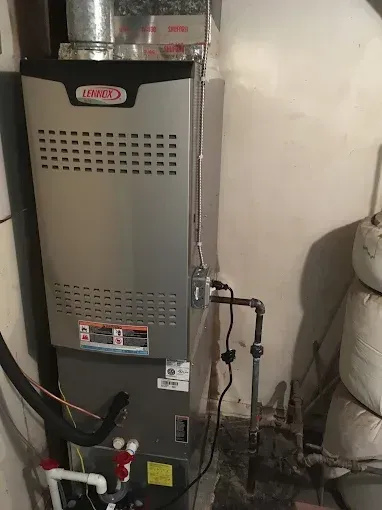
What You Notice Once Installation Completes
Installers shut off water and power or gas supply, drain the existing tank, disconnect old piping and venting, and remove equipment before positioning the new unit. New water heaters are leveled, secured, and connected to cold water supply lines, hot water distribution piping, and energy sources with appropriately sized fittings and flexible connectors that accommodate thermal expansion. Venting routes combustion gases outdoors on gas models, and electrical connections are sized for the heating element load on electric units.
After installation, hot water reaches fixtures quickly, maintains consistent temperature during use, and recovers fast enough that back-to-back showers or appliance cycles no longer exhaust the supply. You stop running out of hot water during peak morning routines, and water temperature remains steady rather than fluctuating as the tank depletes. Properly sized equipment eliminates situations where the last person showering faces lukewarm water or dishwashers run cold mid-cycle.
Installation work includes setting the thermostat to safe temperatures that prevent scalding while providing adequate heat for cleaning and bathing. Expansion tanks are added where required by local codes to handle pressure increases from heated water, and drain valves are positioned for future maintenance access. Combustion air supply and venting are verified to prevent backdrafting or carbon monoxide buildup in enclosed equipment spaces.
Common Questions About This Service
Homeowners replacing water heaters or adding new equipment often ask about capacity selection, installation steps, and performance differences between system types.
What determines the right water heater size?
Tank capacity or flow rate must match peak demand from simultaneous fixture use, with sizing based on the number of bathrooms, occupants, and appliances that draw hot water during busy morning or evening periods.
How do tank and tankless water heaters differ?
Tank models store heated water for immediate delivery and recover capacity between uses, while tankless units heat water continuously on demand without storage but require higher gas input or electrical capacity to maintain flow during peak draws.
What does installation involve beyond connecting the unit?
Work includes removing old equipment, installing temperature and pressure relief valves, routing venting or electrical service, adding expansion tanks where required, and testing output temperature and flow under typical use conditions.
Why does installation location matter?
Water heaters need clearance for combustion air, access for service and element replacement, and proximity to fixtures to minimize heat loss in long piping runs, with placement affecting both performance and code compliance in West Chester installations.
When should I replace rather than repair an aging water heater?
Equipment approaching or exceeding its expected service life, showing signs of tank corrosion or leakage, or requiring frequent repairs becomes more cost-effective to replace than to keep repairing as component failures accelerate.
Home HVAC Services evaluates household hot water needs and recommends equipment that matches your usage patterns and installation space. Call (484) 573-7551 to discuss water heater options and schedule installation for dependable hot water delivery.